
Doing Things The Hard Way
Why are so many people choosing products that ask more of them? The answer extends well beyond typewriters.
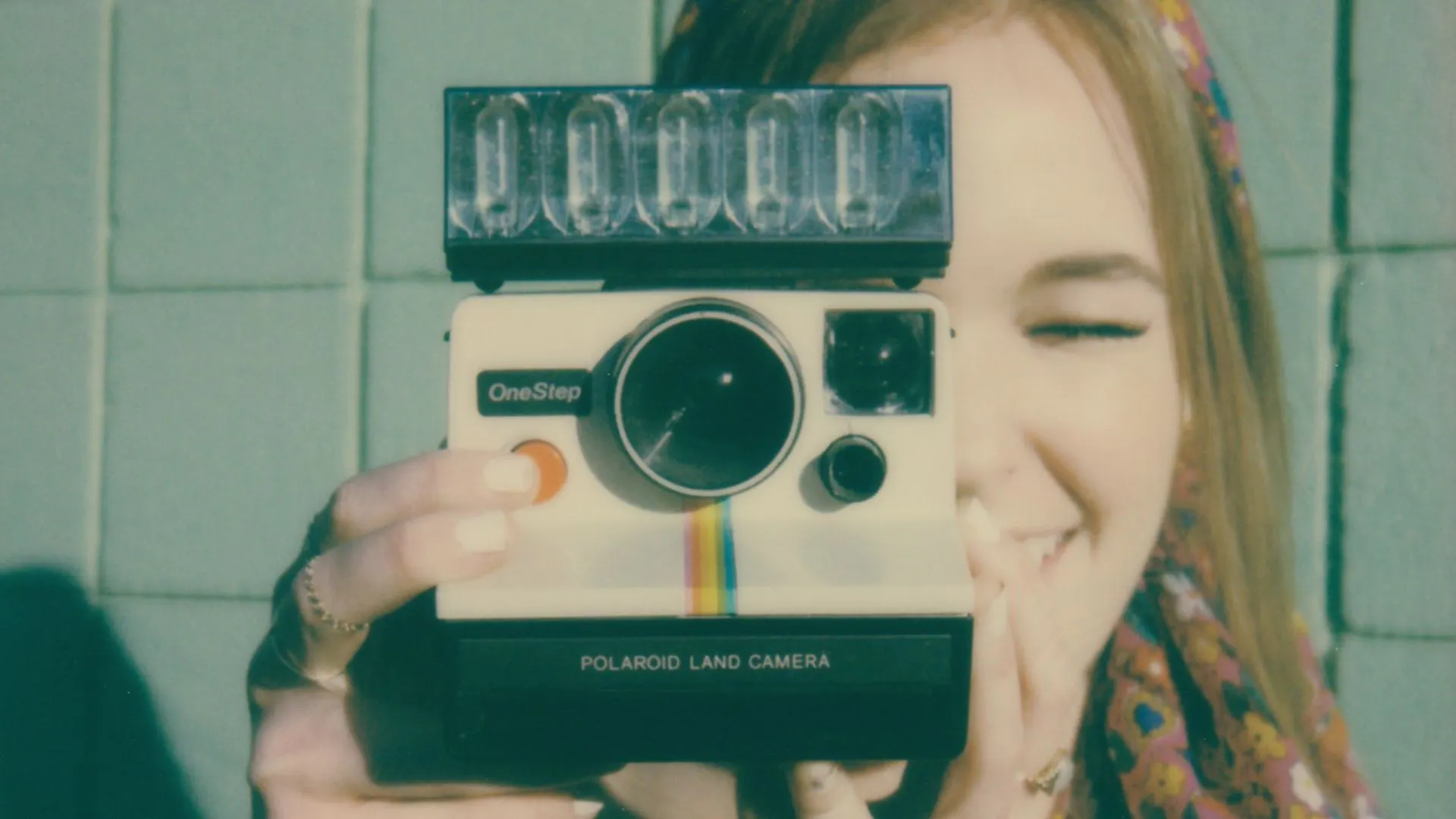
People are now paying a premium to do things the hard way
It's no secret that the people at Coup appreciate old things. The office is slowly turning into a museum of typewriters, cameras, fountain pens and assorted curiosities that any sensible person would have replaced years ago.
Among them is a mechanical typewriter from the late 1950’s. It's beautifully crafted, works smoothly, but it's also objectively worse than a laptop. It's slower, louder and far less forgiving. A typo often means starting the page again from scratch. Nobody has to use it, but we use it anyway.
That raised an interesting question. Why are so many people choosing products that ask more of them? The answer extends well beyond typewriters.
Vinyl should be old news by now. You'd expect to find it in your grandfather's shed, or a retro or niche music shop. The sound quality is incomparable to something like a CD or high-end streaming. Yet vinyl continues to outsell CDs. Film photography tells a similar story. We assumed it had all but disappeared, but demand for analogue film has roughly doubled over the past fifteen years. In fact, Kodak has been expanding production to keep up. The same pattern keeps reappearing. Instant cameras, flip phones... once you notice it, you see it everywhere.
Most people would call it nostalgia. People getting old and yearning for the past. But that explanation falls apart once you see who’s actually buying.
A 19 year old shooting on analogue film has no memory of a world before digital photography. They grew up with unlimited storage and photos. Take 50 shots and pick the best result. But they're still choosing slower cameras, fewer photos, and obvious imperfections. Whatever that is, it certainly isn't longing for the past.
Our findings point somewhere else.
When something becomes abundant, its perceived value falls. Attention shifts towards whatever remains scarce. Digital photography made images effectively free. Film didn't suddenly become technically better. It became unusual. The effort, limits, and risk of ruining the shot become part of the appeal. A roll of film gives you twenty-four frames and no second chances. That limitation is the experience. People want friction, and are willing to pay for it.
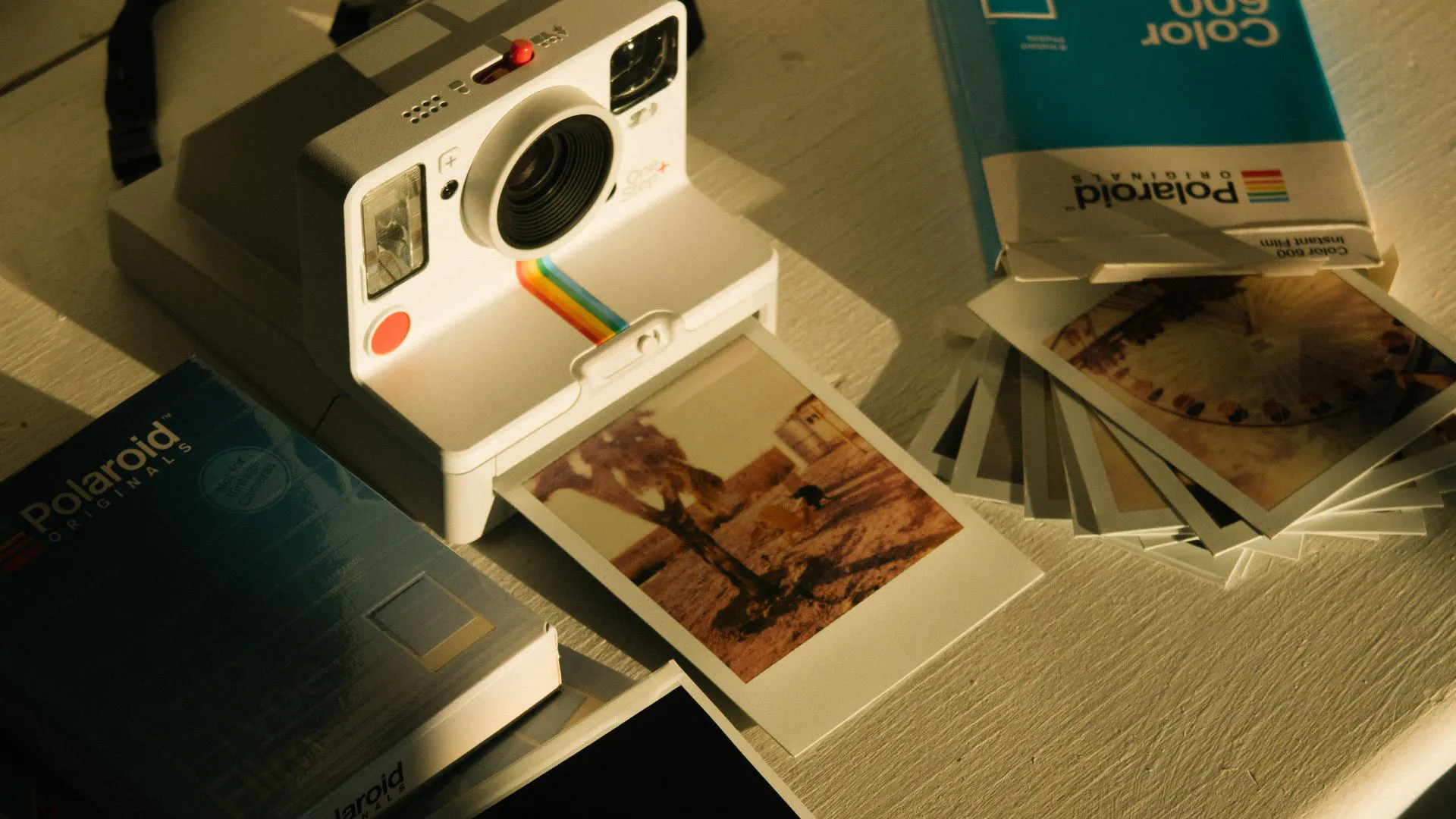
Polaroid understood this long before most marketers did. The brand emerged from bankruptcy by selling a deliberately constrained experience. Today's cameras include rechargeable batteries, Bluetooth and companion apps, yet they still produce a single physical print that cannot be duplicated. The technology moved forward but the experience deliberately didn’t.
Fujifilm reached a similar conclusion. Its Instax cameras continue to sell in remarkable numbers despite every smartphone carrying a superior camera. Which means that people aren't buying image quality, they're buying the anticipation. The delay before they get so see what they’ve captured becomes the product.
Other brands noticed, too.
Many companies concluded that people wanted the past. Their response was heritage branding, vintage colours, and old-fashioned typography. Artificial origin stories started to appear. Brands popped up that had been "crafting excellence since 1947", regardless of when they were actually founded. They recognised the aesthetic. But they misunderstood the reason.
Other companies reached a different conclusion. They decided customers wanted craftsmanship. Products became "handcrafted", "artisan" and "small batch". That approach worked. For a while. Then everyone said the same thing. The labels lost their meaning, and brands their differentiator.
Both groups make the same mistake. They treat authenticity as a label, something you describe. In reality, authenticity is something people experience.
The teenager carrying a film camera isn't trying to recreate the 80s. They're using the tools of the 80s to say something about themselves in 2026. The inconvenience is part of the statement. It separates them from everyone taking perfect photographs on identical devices.
The same principle applies to brands. Whether it’s a handwritten note, customer support that solves a problem without following a script, or an opinion that risks disagreement. They all matter because they require human judgement. They require the company to be authentic, rather than simply perform authenticity. That's how you build brand gravity.
As abundance increases, value moves towards whatever remains difficult to reproduce. More than ever, the brands that stand out over the next decade will be the ones that leave unmistakable evidence that real people are behind them, complete with judgement, imperfections and culture.
Those qualities build trust and give people something to identify with. Products satisfy needs. Culture satisfies identity. The brands that people remember have always sold more than the thing itself. They sell membership and give people a way to express who they are. AI won't change that. It will amplify it and make it harder to fake.